


Freight is the backbone of the modern economy. Due to how interconnected the world is, practically every business requires freight transport at some point. Whether you need new equipment brought in to make your employees more efficient, or you’re shipping products directly through your supply chain. It can even be useful outside of the commercial market.
However, unless you deal with freight regularly, it can be confusing. There are several options available, each with pros and cons.
We’re going to go over the core freight services to help you understand what each one is for.
Road freight is extremely common and covers most of the products and shipments that are done domestically. This is just your standard semi carrying a full truckload from one location to another.
Road freight is often used throughout retail supply chains, in domestic shipping, and to connect freight between different modes of transportation. For example, trucks are often used to receive goods at a centralized location, bring them to ports, and unload those shipping containers onto ocean-based freight for international transportation.
However, road freight is not just the big semis you see on the highways full of store inventories and random shipments. There are actually three types of road freight.
FTL freight is “full truck load”. That means that the truck is shipping a full container worth of goods from one source to another. There are no stops for mixing and matching loads.
This is best for when you have large-scale domestic shipments that are going to the same place.
Less than truckload, or LTL, is when you don’t have enough to fill a full load.
Instead of dedicating an entire truck to your small load, LTL shipping works a lot like the postal service. Your shipment is added to a truck with a lot of other shipments going to the same area, and it’s shipped out.
This is cheaper, but it can sometimes take longer because it’s not direct and has to be consolidated with other partial loads before it’s shipped.
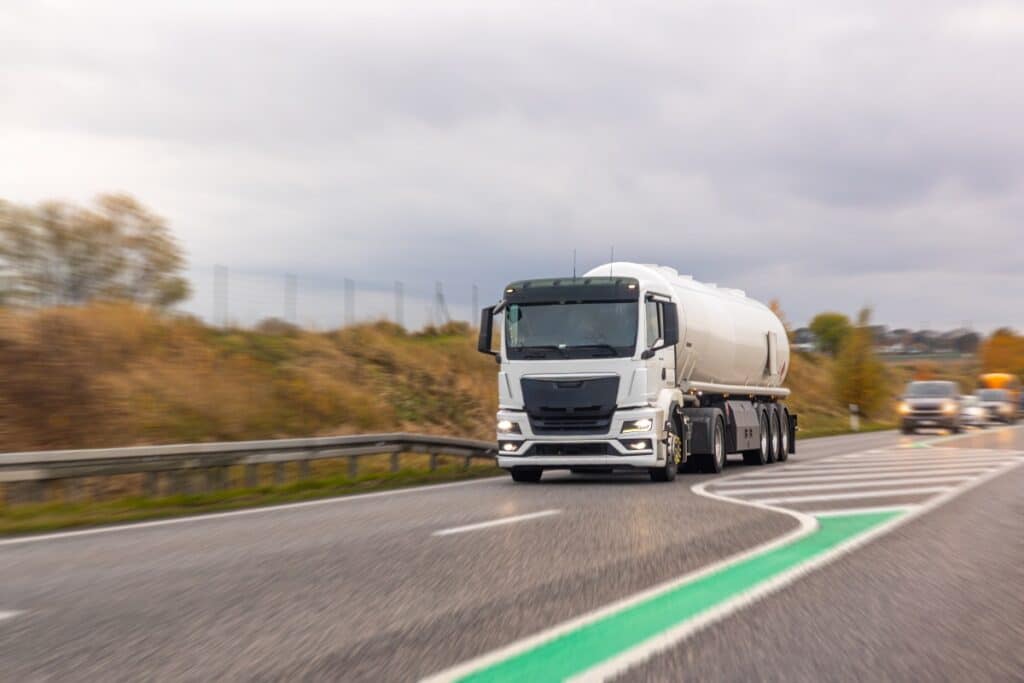
Specialized freight includes a wide variety of unusual shipments. These include hazardous-material transport, fuel, oversized freight such as modular homes being moved into place, and even logging trucks.
Essentially, if it’s a load that can go on a truck, but it can’t safely be transported via a container or normal open bed, it’s specialized road freight.
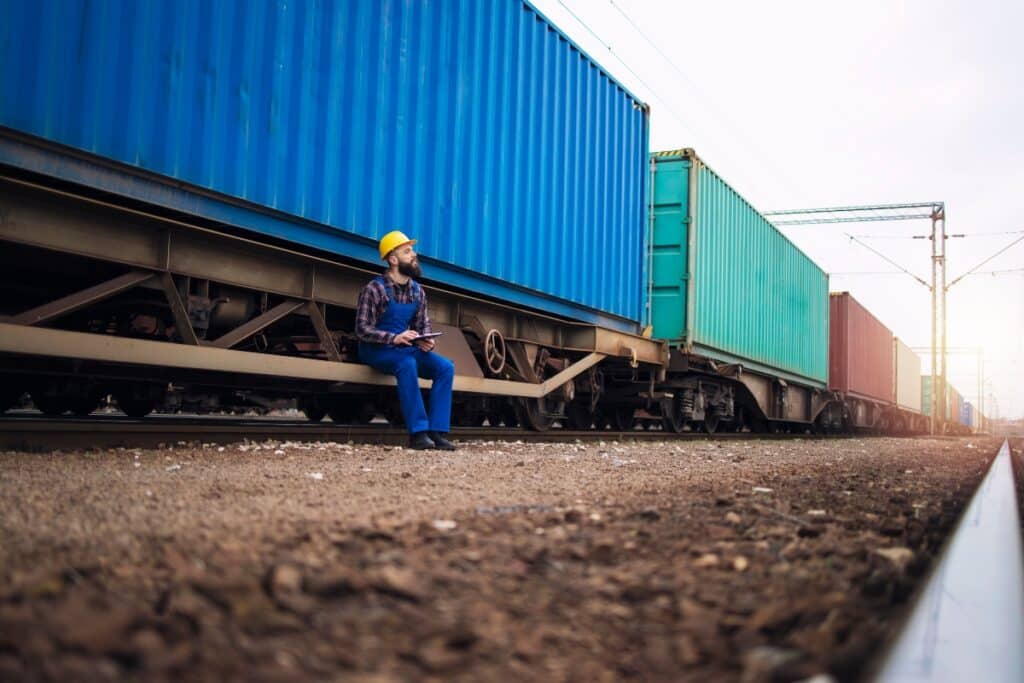
Rail freight is any freight that’s transported by train. This can include a wide range of things, but it’s most often used for livestock or bulk shipping.
Livestock includes animals such as cows that you’ve probably seen on trains as they drive by, but trains are also used for the mass transport of coal, grains, chemicals, oil, and similar items.
Trains are capable of carrying extremely massive loads that trucks can’t handle. So, they handle the heaviest shipments sent across the country.
Air freight is any shipment that’s transported by plane. Air shipping is a lot faster than ocean, road, or rail freight, but there are some caveats.
First, shipments are smaller because airlines must manage weight closely to avoid issues. That can increase costs in exchange for faster shipping.
Then, there’s the fact that some items simply can’t be shipped this way. Many pressurized items and flammable items aren’t suitable for air freight, because they can be an extreme safety risk.
Air shipping includes domestic and international air freight.
Ocean freight is used to ship massive loads over very long distances. It’s most often used internationally to move products manufactured in one country to retailers and supply chains in another country.
Ocean freight is also used for many raw materials and similar items that are bulk-shipped internationally.
One specialized type of freight is called “project cargo”. This is when a customer sends a very large shipment for a project.
A good example of this would be a new solar power company shipping its panels and solar charging systems from the manufacturing facility to the project site for installation.
This type of freight is difficult to transport because it’s typically very large and often includes parts and materials that are awkward to properly secure.
Beyond the different modes of transportation, there are two main types of freight.
The first is containerized freight. This is when all the goods and materials being shipped are placed into containers. “Containers” refers to the trailer containers on trucks, the big steel shipping containers used on ships, and similar containers.
This keeps things organized by destination, safe from the elements and potential damage, and makes it far easier to move shipments between different forms of transportation. For example, a shipping container can be loaded onto a train, taken to a port, and loaded onto a ship with ease.
The other type is break-bulk. Break-bulk is used for materials and items that can’t be placed into containers. Timber being shipped around the lumber industry’s supply chain or heavy machinery being moved between job sites are two common examples of break-bulk shipping.
Break-bulk freight is difficult to ship because each item has to be handled individually. For example, if timber is being moved, each massive piece has to be lifted, placed on its shipping platform, and secured. With containerized shipping, the entire container is moved at once using heavy machinery, requiring far less manpower.
Choosing the right freight service is crucial to avoid unnecessary costs and protect your shipment, which is why many logistics companies rely on modern transport software solutions to compare shipping options, coordinate routes, and manage freight operations more efficiently.
Luckily, you don’t have to learn much about freight to make the right choice every time. Diversified Transportation Services offers a wide variety of freight transportation solutions, and our team can help you choose the right mode for your shipment.
Contact Diversified Transportation Services today for fast and convenient freight services you can rely on.
Whether you're a company looking to improve one facet of your supply chain, your entire supply chain, or simply looking for a transportation and logistics consultation, we can help.

19829 Hamilton Avenue
Torrance, CA 90502