Reliable Temperature-Controlled LTL Shipping with Competitive Rates and Personalized Support



We understand. When temperature-controlled LTL shipments aren’t supported properly, the impact goes far beyond inconvenience—it puts your product at risk, creates cost uncertainty, and strains customer relationships.
You deserve a reefer LTL shipping solution that understands cold-chain realities, communicates clearly, and helps you navigate capacity, transit, and service challenges with confidence. That’s the role we’re here to play.





We use DTS daily through out our company. Their team is always great with service and arranging our many different shipments. They offer advice on tricky situations and offer a range of services that our business needs.




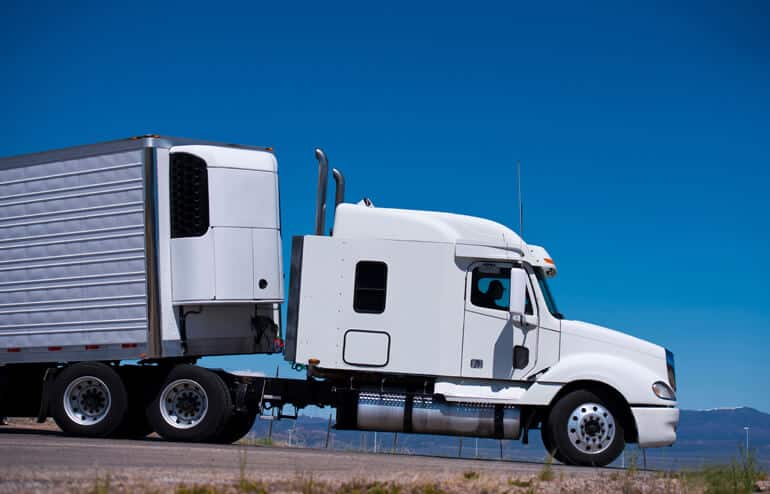
The cold chain in logistics is an end-to-end temperature-controlled supply chain. Maintaining the cold chain is critical when shipping LTL reefer freight. LTL reefer carriers maintain the cold chain through temperature-controlled storage, cross-docking, and monitored refrigerated transportation.
Storing freight at the proper temperature helps prevent spoilage or damage while it awaits shipping. Cross-docking minimizes exposure to unsuitable temperatures.
Less-than-truckload refrigerated carriers often use a combination of IoT sensors, telematics, and data logging to continuously monitor trailer conditions and temperatures. This allows carriers and shippers to spot potential issues immediately.
Ultimately, the cold chain protects goods from temperature changes at each handling point.
Cold chain logistics are invaluable for shipping a wide range of products. This includes:
By using cold chain logistics, businesses across diverse industries can keep freight protected throughout its journey to retailers and end users.
Carriers using LTL reefer trailers can store goods in multiple temperature zones. These include:
Shipping freight at the correct temperature offers several benefits, including maintaining freshness, complying with regulations, and protecting your business reputation.
Less-than-truckload refrigerated carriers use multiple methods to keep temperatures stable when consolidating shipments:
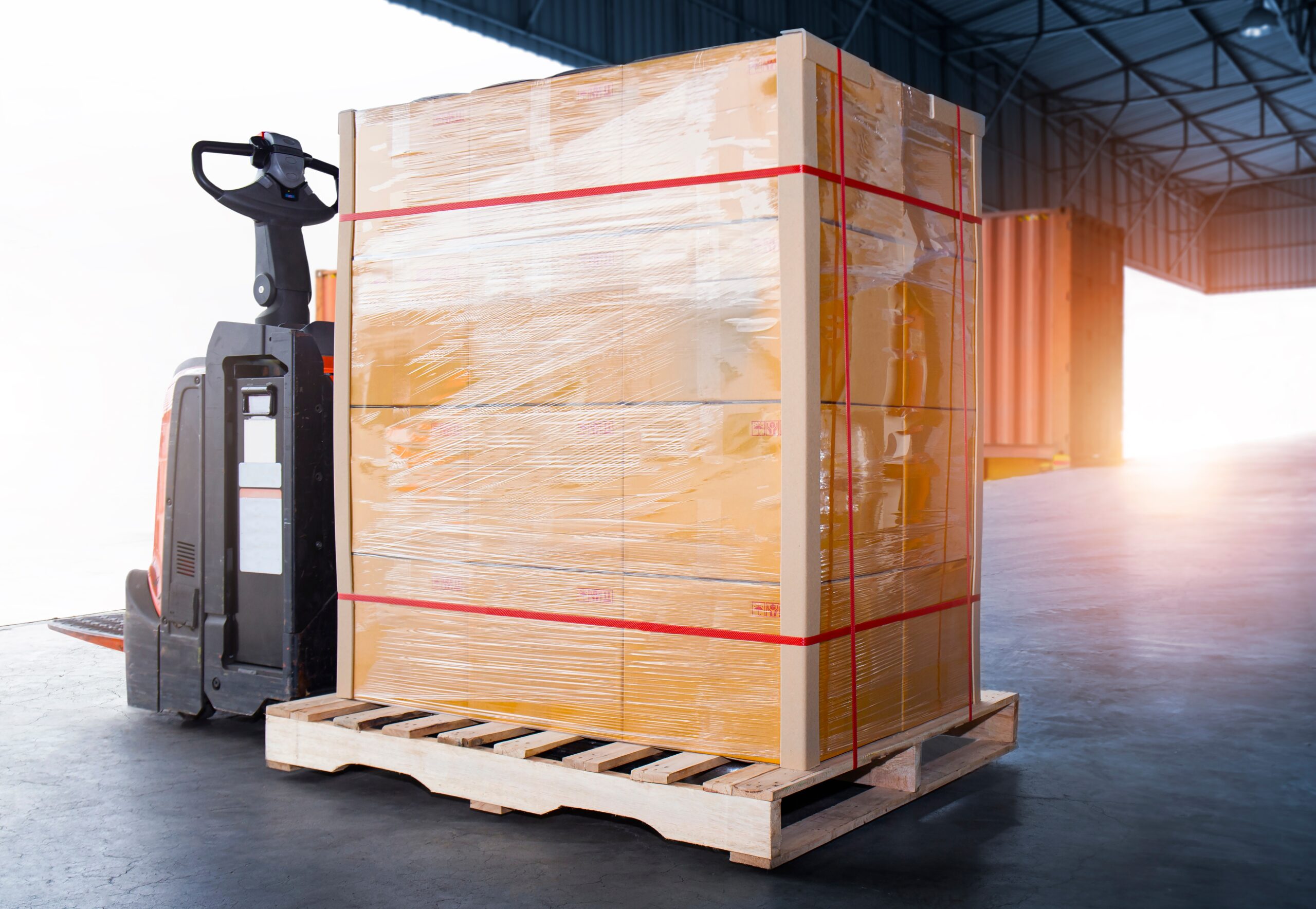
Shippers transporting refrigerated LTL freight may use different types of packaging and pallets, including:
Meeting packaging and pallet requirements can help prevent ruined freight, lost revenue, and waste.
When working with reputable carriers, shippers can be confident that reefer LTL freight is monitored throughout transit. Carriers use sensors, telematics, and temperature-logging tools to track conditions in real time. This is also crucial for freeze protection services, which keep freight heated rather than cooled.
Vigilant freight monitoring enables carriers to identify changes early, giving them the opportunity to intervene and protect product integrity. Shippers receive regular updates on cargo status as it progresses through the cold chain.
When considering FTL reefer vs. LTL reefer shipping, the main differences are:
Understanding these differences will help you choose the most cost-effective and practical reefer shipping method.
Because shippers share trailer space, refrigerated LTL trucking offers lower costs than FTL reefer trucking. However, capacity constraints and seasonality can significantly impact rates. Planning ahead is vital to avoid unexpected price hikes.
Additionally, handling complexity, temperature requirements, and route availability also affect pricing. Reefer LTL shipping is generally the more cost-efficient option for sending regular, smaller shipments.
FTL reefer shipping is the best option when you need faster delivery, full control, or minimal handling for sensitive freight. But for smaller, more frequent shipments or to prioritize cost efficiency, choose reefer LTL shipping instead.
However, depending on the size and timing of your shipments, many businesses use a hybrid approach (combining both types) instead.
Having been in business for over 35 years, we’ve had countless conversations with shippers frustrated by freight providers who fail to prioritize their needs—missed updates, unanswered calls, and service that makes them feel like just another number in the system.
At Diversified Transportation Services, we partner with you to solve your LTL shipping challenges, becoming an extension of your traffic department. Our goal is to leverage our decades of expertise in freight transportation to streamline your operations, allowing you to focus on what truly matters—running your business.
We’ve been refining our approach for over three decades, ensuring that even when challenges arise, you’ll always have a reliable partner by your side. Once you experience the level of service, support, and partnership we offer, you won’t want to return to freight providers who don’t value your business.
Exceptional! We've learned so much working with DTS over the years. Any company that is looking for solid logistics services should talk to DTS. Thank you Marc for everything you have done for us!
Thank you for considering us for your freight shipping needs. After you fill out this form, we will get in touch with you shortly regarding your inquiry. For any questions, please email us at marketing@dtsone.com or call (310) 521-1200.


19829 Hamilton Avenue
Torrance, CA 90502