
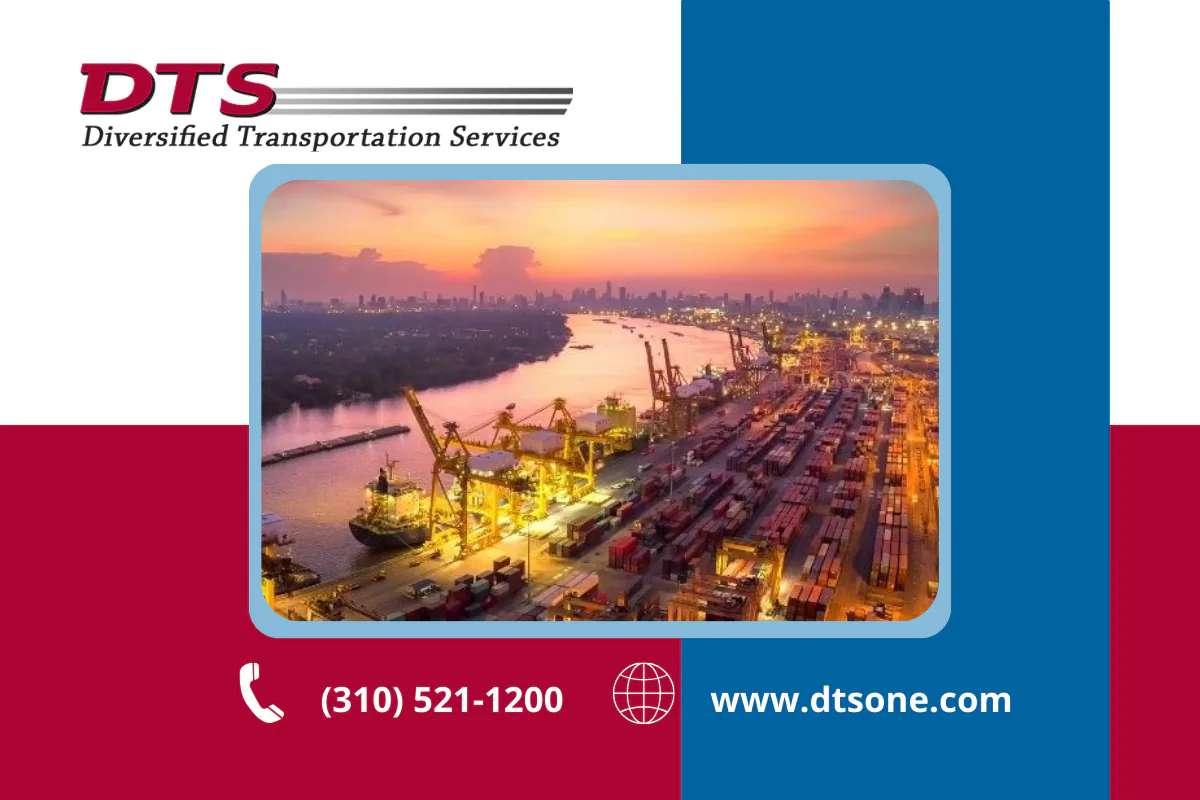
Here are some ways that federal regulation changes affect your supply chain.
Current Supply Chain Regulations
Before you can discuss the ways that federal regulation changes affect your supply chain, you’ll need to be familiar with some current supply chain regulations. Some of the most common regulations affect shipments of hazardous materials, chemicals, certain minerals, pharmaceuticals, and electronic waste. There are many domestic and international laws that regulate these types of shipments, such as the Restriction of Hazardous Substances (RoHS), the Dodd-Frank Act, and the Registration Evaluation Authorization and Restriction of Chemicals (REACH) laws.
Impacts of Supply Chain Regulations
Federal regulations can make it difficult for your business to ship certain items. This slows down your supply chain. The best way to ensure your supply chain remains quick and efficient is to be aware of any regulations and follow the proper shipping procedures. Usually, if your products contain hazardous chemicals or other substances, you’ll need to follow certain procedures to safely transport your shipments. However, following all these required processes and procedures can be time-consuming, so many businesses acquire shipping and logistics services to transport their products.
Be Aware of Regulation Changes
When you’re aware of regulation changes, you can act immediately to minimize negative effects on your supply chain. However, if you don’t stay up to date on regulations, you won’t be able to prepare your business or supply chain for any changes. To help ensure your supply chain continues to run quickly and efficiently, stay up to date on regulatory changes for international and domestic laws.