

Keeping temperature-sensitive products safe during transit is one of the biggest challenges in modern logistics. Whether you’re moving fresh food, pharmaceuticals, cosmetics, or specialty materials, even a brief exposure to the wrong temperature can lead to spoilage, safety risks, and expensive product loss.
Cold chain logistics is the end-to-end process that protects these shipments. In this post, we’ll break down how cold chain logistic solutions work, the equipment and processes involved, and what shippers need to know to keep their products safe from origin to destination.
Cold chain logistics is an end-to-end temperature-controlled supply chain. It encompasses everything from storing goods in the right environment to unloading them correctly during delivery.
Finding the most suitable cold chain logistics solutions for your freight is essential to ensure that temperature-controlled cargo is shipped carefully. This requires refrigerated (reefer) trucks designed to keep cargo within the right temperature range for the duration of its journey.
Carriers providing cold chain solutions use both less-than-truckload (LTL) and full-truckload (FTL) reefer transportation:
Any failures within the cold chain can lead to severe problems, including product loss, compliance issues, and safety risks.
That’s why it’s crucial to get your cold chain shipping right every time.
The main building blocks of cold chain shipping solutions include:
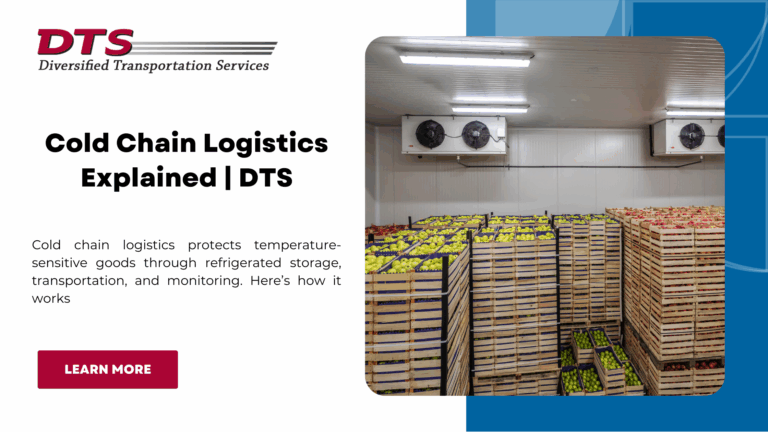
Businesses use refrigerated warehouses (or cold chain storage facilities) to store goods in a suitable environment. This helps perishable products maintain a healthy shelf life and prevents avoidable waste. Staging areas must be well organized to store cargo safely before it’s collected.
Cross-docking is an important process in cold chain logistics solutions. Cross-docking involves moving cargo directly from one truck to another, without storing it in between. This minimizes exposure to uncontrolled temperatures.
LTL and FTL reefer trucks keep freight at the right temperature until it reaches its destination. They allow carriers to maintain product integrity while on the road. Extensive temperature controls create an effective way to manage conditions within trailers based on the shipper’s needs.
In addition to reefer trucks, temperature-controlled goods can be transported safely over long distances by air and in ocean reefer containers.
Insulated packaging, dry ice, cold packs, liners, and pallets designed to maximize airflow are all common cold chain packaging solutions.
Companies providing cold chain shipping solutions use the latest technologies to monitor and track cargo temperature.
Using IoT sensors, telematics, and data logging, carriers can identify any changes within a trailer or container at any time. This allows them to address issues and prevent product damage as soon as possible. As a result, shippers stay updated on the status and progress of their cargo.
Complying with cold chain regulations is essential to avoid legal action.
For example, businesses in the food industry must comply with the Food Safety Modernization Act (FSMA) to prevent potential health risks to consumers.
Businesses operating in other industries have other regulations to follow, such as pharmaceutical cold chain guidelines and specific retailer requirements.
Cold chain logistics solutions are popular for a wide variety of shipments, including:
When exploring cold chain solutions, keep in mind the following challenges:
Properly packaging, storing, and transporting products is essential for effective cold chain logistics management. But what if you don’t have the time, know-how, or industry experience to manage this all in-house?
DTS has the experience to manage LTL and FTL reefer shipments, in helping to ensure your cargo stays intact during transit. We can even manage intentional cold chain shipments to help you expand your reach.If you’re looking for a reliable partner offering full-service coordination for temperature-controlled freight, request your quote for a bespoke cold chain logistics plan from DTS today.
Whether you're a company looking to improve one facet of your supply chain, your entire supply chain, or simply looking for a transportation and logistics consultation, we can help.

19829 Hamilton Avenue
Torrance, CA 90502